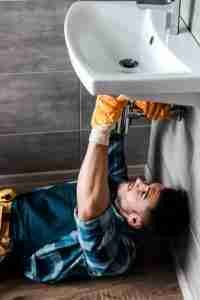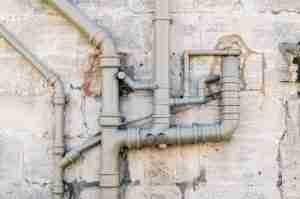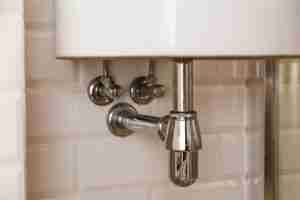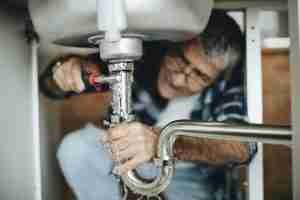
Blocked drains are more than just an inconvenience; they can lead to unpleasant odours, unsanitary conditions, and even costly structural damage if left unaddressed. Many homeowners may be tempted to try DIY methods, especially with the ease of buying drain-clearing chemicals off the shelf. But is this the best approach? This guide will explore how to clear a blocked drain effectively and explain why it’s often better to call a blocked drain plumber instead of handling it alone.
- Identifying the cause of your blocked drain:
To address any blockage, it’s important first to understand what’s causing it. Drains can become clogged from several culprits:
Hair and Soap Scum: Especially common in bathrooms, where hair and soap residue often combine to create stubborn blockages.
Grease and Food Particles: In kitchen drains, grease can solidify and stick to pipe walls, trapping food particles.
Foreign Objects: Everyday items like sanitary products, wipes, or even small toys can accidentally make their way into drains, causing severe blockages.
Tree Roots: In Australia, tree roots are a significant cause of blocked drains, as roots infiltrate sewer lines searching for moisture.
- DIY methods to clear a blocked drain (without chemicals)
While DIY methods can sometimes provide temporary relief, they rarely offer a long-term solution. Here are some safe, chemical-free techniques you can try:
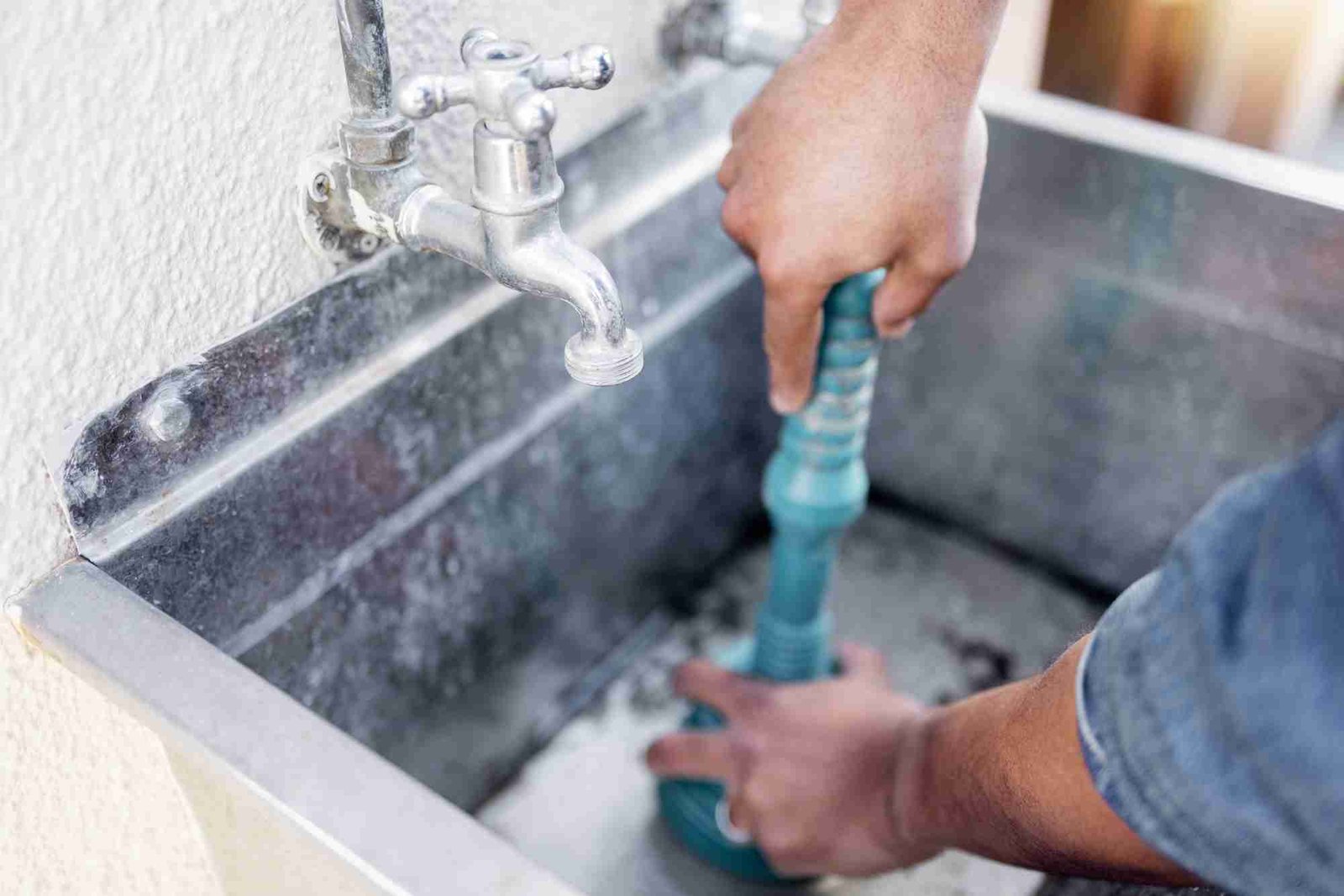
Plunger: A plunger can create enough suction to dislodge minor clogs. Be sure to cover any overflow outlets to maximise suction.
Boiling Water: For kitchen sinks, pouring boiling water down the drain can help dissolve greasy build-ups. However, avoid this method for PVC pipes, as excessive heat can damage them.
Vinegar and Baking Soda: This natural combination can create a fizzy reaction that may help dislodge minor clogs. Pour half a cup of baking soda followed by half a cup of vinegar, wait a few minutes, then rinse with warm water.
- Why chemicals aren’t always safe for drains:
Many people instinctively turn to chemical drain cleaners as they seem like an easy fix. However, chemicals can do more harm than good in the long run.
Pipe damage: Chemical cleaners are highly corrosive. They don’t distinguish between your clog and your pipes, which means that repeated use can damage both metal and PVC pipes, leading to costly repairs. Australian standards, such as those outlined in AS/NZS 3500, emphasise protecting the longevity of plumbing systems, and chemicals often run counter to these standards.
Environmental impact: When chemical cleaners are washed down your drain, they don’t disappear. They eventually end up in local water systems, where they can harm aquatic life and disrupt ecosystems.
Limited effectiveness: Chemicals may only treat the symptom rather than the root cause of the blockage, meaning the problem is likely to return. For instance, while they can dissolve grease and organic materials, they’re ineffective against clogs caused by foreign objects or tree roots.
- The benefits of hiring a blocked drain plumber:
When DIY methods aren’t effective, it’s time to call a blocked drain plumber. Professional plumbers are trained and equipped to address clogs safely and effectively. Here’s why hiring a plumber is often the best decision:
Comprehensive diagnosis with advanced equipment:
Plumbers have specialised tools, such as CCTV drain cameras, which allow them to inspect the inside of your pipes. This advanced technology helps identify the exact cause and location of the blockage without guesswork or damage to your property, ensuring a faster and more effective solution.
Adherence to Australian standards:
Professional plumbers are trained to follow Australian standards, ensuring that all work complies with AS/NZS 3500 requirements. By adhering to these standards, they maintain the integrity of your plumbing system and help prevent future issues, keeping your home safe and your plumbing efficient.
Use of safe and effective techniques:
Plumbers use methods like high-pressure water jetting, which can clear blockages without the need for harmful chemicals. This method is environmentally friendly and doesn’t risk damage to your pipes. With high-pressure water jetting, plumbers can remove grease, tree roots, and other stubborn blockages efficiently.
Preventative measures and expert advice:
When you hire a blocked drain plumber, they won’t just fix the current problem; they’ll also advise on preventative measures to avoid future blockages. This can include recommendations for regular maintenance or minor changes to your usage habits that make a big difference over time.
- Why DIY isn’t always safe and effective:
Attempting to fix a blockage yourself can sometimes cause more harm than good. Here’s why:
Incomplete solutions: Many DIY methods offer temporary relief but don’t address the underlying cause of the blockage. Without a proper diagnosis, you might only be treating symptoms, allowing the issue to recur.
Potential for injury: Handling drain snakes or chemicals without proper training can result in injury or further damage to your pipes.
Misdiagnosis: You may think the blockage is minor, but issues like tree roots can cause extensive damage over time. Plumbers have the expertise to identify and resolve even the most complex drain issues.
- How to choose the right blocked drain plumber:
If you’ve decided it’s time to call a blocked drain plumber, make sure you choose a reliable professional who understands Australian standards. Here are some factors to consider:
Experience and qualifications: Look for a licensed plumber with experience in clearing blocked drains. They should be familiar with AS/NZS 3500 standards and have experience using CCTV cameras and water jetting equipment.
Customer reviews: Online reviews can provide insight into the quality of service. Look for testimonials that mention promptness, professionalism, and successful drain clearance.
Emergency services: Blocked drains can quickly escalate, so it’s helpful to hire a plumber who offers emergency plumbing services. This ensures you’ll receive timely assistance, minimising the risk of further damage.
- Long- term drain maintenance tips:
Preventing drain blockages is easier than constantly dealing with them. Here are some tips to keep your drains clear:
Dispose of grease properly: Avoid pouring cooking grease down the drain. Instead, collect it in a disposable container and throw it away.
Use drain strainers: Place strainers over sink and shower drains to catch hair, food particles, and other debris.
Regular professional inspections: Scheduling a routine inspection with a plumber can catch small issues before they become serious. This aligns with Australian standards, which recommend regular plumbing maintenance to ensure safety and efficiency.
- Recognising when it’s time to call a blocked drain plumber:
While some blockages can be managed with DIY methods, others require professional intervention. Here are signs that it’s time to call a professional:
Multiple clogged drains: If more than one drain is blocked, the problem is likely in the main sewer line.
Slow drainage: If water takes a long time to drain, it could indicate a developing blockage.
Unpleasant odours: Persistent odours from your drains often indicate trapped debris that requires professional removal.
Recurring blockages: If blockages happen frequently, it’s a sign that there’s a deeper issue needing professional diagnosis.
Final thoughts: Why a professional solution is best
When it comes to how to clear a blocked drain, the benefits of hiring a professional plumber far outweigh the risks associated with DIY attempts or chemical cleaners. A skilled plumber will diagnose the issue, clear the blockage safely, and provide advice on maintaining your drain in line with Australian standards.
By avoiding chemicals and relying on a trusted professional, you can protect both your home’s plumbing system and the environment. So, next time you’re facing a drain issue, skip the quick-fix solutions and call a blocked drain plumber.